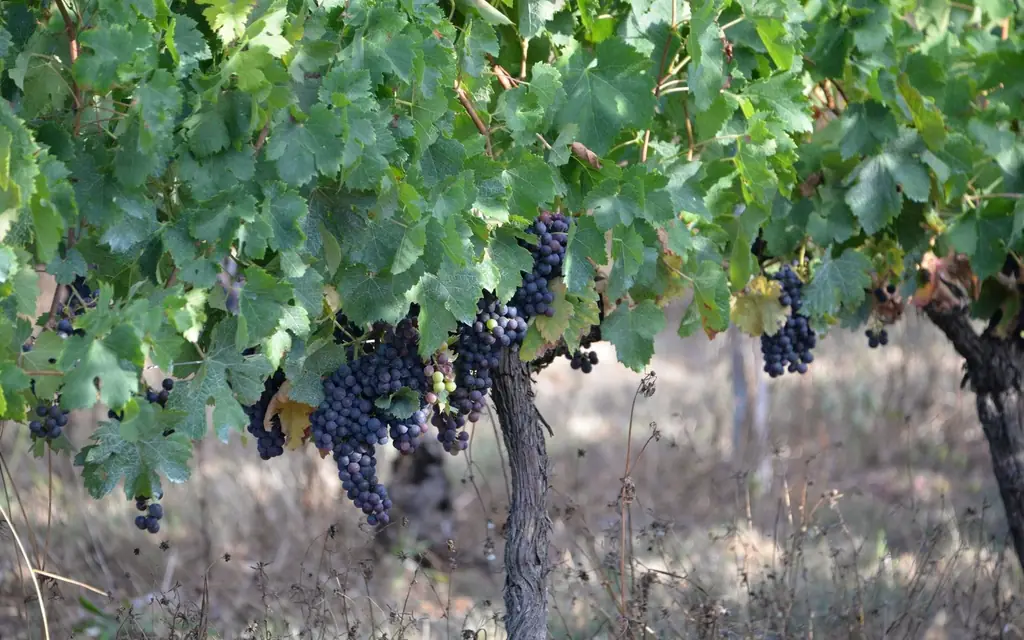

People search Niagara-on-the-Lake weather for two reasons. Some want tomorrow's forecast. Others are trying to decide when to come, and what the season will mean for a day spent moving between tasting rooms, vineyards and Queen Street. This post is for the second group. Short-term forecasts change by the hour; the seasonal pattern does not, and it shapes everything from what is in the glass to what shoes to pack.
NiagaraFallsLimo.net drives wine-country days in every month of the year, so the notes below come with the logistics attached.
What is the weather like in Niagara-on-the-Lake?
Niagara-on-the-Lake has four distinct seasons softened by Lake Ontario: summer highs average about 27 °C (81 °F) in July, January highs sit just below freezing, and about 150 cm of snow falls in a typical winter. It is about 127 km (79 mi) from downtown Toronto; NiagaraFallsLimo.net books wine-tour days at fixed fares online.
The figures come from Environment and Climate Change Canada's 1981–2010 climate normals for the Niagara Falls station at the Niagara Parks School of Horticulture, on the Niagara Parkway about 15 km south of Old Town. It is the closest long-record station with published normals, and it sits in the same lake-influenced strip of land.
Why the lake runs the calendar
VQA Ontario, the regulator of Ontario wine appellations, describes the Niagara Peninsula as a cool-climate region where breezes off Lake Ontario moderate temperatures, extending the fall growing season and delaying spring budding until the risk of frost has passed, per its Niagara Peninsula appellation page. The Niagara Escarpment, the ridge that runs west from Queenston, shapes slope, elevation and how much of that lake air reaches each vineyard.
For visitors, the effect is a shoulder season that lasts longer than inland. October afternoons can be mild enough for a patio while Toronto feels cold, and spring arrives in the vineyards a little later than the calendar suggests.
The year at a glance
| Season | Typical high / low | In the vineyards | What to wear | Tour note |
|---|---|---|---|---|
| Spring (April – May) | About 13 °C / 2 °C in April; 19 °C / 8 °C in May | Buds open after the frost risk passes | Layers, waterproof shell, closed shoes | Muddy rows; tasting rooms quieter on weekdays |
| Summer (June – August) | About 25 – 27 °C / 14 – 17 °C | Canopy grows, grapes set and ripen | Light fabrics, hat, flat shoes | Book shade and patios; carry water |
| Harvest (September – October) | About 22 °C / 12 °C in September; 15 °C / 6 °C in October | Picking and crushing | Layers, a light rain jacket | Busiest weekends of the year |
| Winter (November – March) | About 9 °C / 1 °C in November; just below 0 °C / −8 °C in January | Dormant vines; icewine harvest when cold enough | Warm coat, boots with grip | Fireside tastings; check road conditions |
All temperature figures are 1981–2010 averages from the station above, rounded.
Spring: April and May
The average date of the last spring frost at the station is around the end of April, and the average frost-free season is about 188 days. Rain is frequent but rarely heavy: April and May average 11 to 13 days with measurable rain. Vineyard walks can be soft underfoot, so leave the suede at the hotel.
Spring is a good time for unhurried tastings. Weekdays in April are calm, the Shaw Festival season in town opened on April 2 in 2026, and wineries start their outdoor programs as May warms up. Wineries of Niagara-on-the-Lake runs a Sip and Sizzle program in May, per its official site.
Summer: June to August
July averages a daily high of about 27 °C (81 °F), with about six days a month above 30 °C. Humidity off the lake makes those days feel warmer. Thunderstorms peak in June and July, though on average only one or two days a month bring them.
What that means on a wine tour:
- Pace the day. Three or four wineries with a long lunch beats six in the heat.
- Water between flights. Ask for it at each counter.
- Book patios early. Summer weekends fill winery restaurants and patios first.
- A cool car between stops. Short hops in air conditioning matter more in July than in any other month.
Old Town Niagara-on-the-Lake is about 24 km (15 mi) from the Fallsview hotels, usually 25 to 30 minutes by car, and about 127 km (79 mi) from downtown Toronto, usually 1 h 30 – 1 h 45 off-peak and longer on summer Fridays. Our routes from Toronto to Niagara-on-the-Lake and Niagara Falls to Niagara-on-the-Lake cover both drives.
Plan a summer wine day with a driver
Harvest: September and October
September is the wettest month by volume at the station, averaging about 98 mm of rain, mostly in a handful of heavier showers. October cools to average highs near 15 °C. The first fall frost, on average, arrives in early November, which is the long tail of the lake effect that VQA describes.
Harvest is the season most visitors picture: grapes on the vine, crush pads busy, and the Niagara Grape and Wine Festival's weekend in St. Catharines' Montebello Park, usually held in late September. It is also the busiest period for tasting rooms and the hardest time to find a last-minute table. Weekdays help. So does booking the car and the lunch early.
Dress in layers. A morning that starts at 10 °C can reach the low 20s by mid-afternoon, then drop fast after sunset. The sibling post on harvest-season wine tours goes further into the September–October calendar.
Winter: November to March
Winter is when Niagara makes its signature wine. Under Ontario's VQA rules, icewine grapes must freeze naturally on the vine and be picked at −8 °C or colder, and Wine Country Ontario notes that pickers often work in the middle of the night to catch the cold, per its icewine page. January at the station averages a low of about −8 °C, with roughly ten nights a month below −10 °C, so the timing depends on each year's cold snaps.
For visitors, winter means:
- Fireside tastings. Fewer people, more conversation with staff. Our sibling post on winter wine tours covers which experiences suit the season.
- Seasonal events. Taste the Season runs on November weekends; the Icewine Village sets up on Queen Street over two January weekends (2027 dates were not published when this was written).
- Snow and road conditions. January averages about 48 cm of snow and February about 32 cm. Niagara Stone Road, the Parkway and the QEW are maintained, but fresh snow slows everything. Check 511 Ontario before travelling.
More on the wine itself is on our icewine page.
Dressing for tasting rooms in any season
A few rules hold all year:
- Flat, closed shoes. Cellars, crush pads and vineyard paths are uneven and sometimes wet.
- Layers rather than one heavy coat. Tasting rooms are warm; barrel cellars are cool; patios depend on the wind off the lake.
- Go light on scent. Strong perfume or cologne gets in the way of everyone's tasting, including yours.
- Leave room in the trunk. Bottles you buy travel sealed in the boot, never open in the cabin.
That last point matters. There is no drinking in our vehicles. Niagara Region's vehicle-for-hire by-law forbids drivers to permit alcohol consumption in the car, and the reason to book a chauffeur on a wine day is that no one in your party drives after tasting. More on etiquette and tasting fees is in the sibling post on wine tasting etiquette in Niagara-on-the-Lake.
Chauffeur vs rideshare vs taxi for this trip
| Mode | Door-to-door time | Cost note | Luggage / bottles | Best for |
|---|---|---|---|---|
| WEGO and NOTL shuttle | Slow; transfers at the Floral Clock | WEGO 24-hour adult pass $16 (as of 2026) | What you can carry | Sightseeing between Niagara Falls and Old Town, not winery-hopping |
| Rideshare | Waits can be long between rural wineries | Surge pricing at peak times | Standard car | One trip into Old Town |
| Taxi | Similar; few cars waiting at wineries | Metered | Standard car | A single ride to dinner |
| Bicycle | Pleasant in spring and fall | Rental fees | Panniers only | Fit couples on dry, mild days |
| Driving yourself | Fast, but someone cannot taste | Fuel, parking | Full trunk | Locals with a designated driver |
| Private chauffeur | Door to door, car waits at each winery | Fixed fare via booker | Trunk space for cases | Couples, groups, any weather |
The honest verdict: for a single ride from a Fallsview hotel into Old Town for dinner, a taxi or rideshare is fine. On a dry, mild spring day, a bicycle between wineries close to town is a lovely way to spend a morning. For a full tasting day, in heat, rain or snow, with stops spread across Niagara Stone Road and the Parkway, a car that waits at each door is the practical choice, and it keeps every guest out of the driver's seat. See our chauffeur vs taxi vs rideshare guide for the general comparison.
Booking it with NiagaraFallsLimo.net in 3 steps
- Enter your start point (hotel, inn or Toronto address) and choose "By the hour" for a tasting day, or a point-to-point ride for a single winery.
- Choose the vehicle. A Mercedes-Benz E or S-Class for two, an Executive Black SUV for up to six, an Executive Sprinter for up to twelve. Each shows its fixed fare.
- Add details and pay. Number of guests, any winery reservations, notes on mobility or child seats. Confirmation arrives by email.
Our Niagara wine tour limo page explains how a day is usually paced.
Who each season suits
Couples tend to love late spring and October: mild days, long lunches, fewer coaches. Groups celebrating something often choose summer patios or the harvest buzz, and should book earliest. Families visiting with adults who want to taste do well in summer, when Old Town and the lakefront keep children busy. Individuals who want to learn about wine get the most attention from staff in winter. Planning where to stay? See our Niagara-on-the-Lake inns and Niagara-on-the-Lake wineries pages, and the sibling post on Niagara Falls weather by month for the falls side of the trip.
Frequently asked questions
What is the best month to visit Niagara-on-the-Lake for wine?
September and October for harvest atmosphere; June for long, warm patio days; late spring for quiet tastings; January for icewine. Each season offers something different. If you want calm tasting rooms and easy reservations, choose a weekday outside July, August and harvest weekends.
How hot does Niagara-on-the-Lake get in summer?
At the nearest station with long-term records, July averages a daily high of about 27 °C (81 °F) and lows near 17 °C, with about six days above 30 °C. Lake humidity can make hot days feel warmer, so plan shade, water and fewer stops.
Does it snow in Niagara-on-the-Lake?
Yes. The nearby station averages about 150 cm of snow a year, with January the snowiest month at roughly 48 cm. Lake Ontario moderates the cold, but winter roads can still slow down after fresh snowfall. Check 511 Ontario before driving.
When is icewine harvested in Niagara?
When it is cold enough. Icewine grapes must freeze naturally on the vine and be picked at −8 °C or colder, often at night. The timing changes every year with the weather and depends on when a hard cold snap arrives, which is why wineries cannot promise a harvest date in advance.
What should I wear on a Niagara wine tour?
Layers, flat closed shoes and a light rain jacket for most of the year; a warm coat and boots with grip in winter. Avoid strong perfume. Tasting rooms are warm, cellars are cool and vineyard paths can be wet or uneven.
Can we take an Uber between wineries in Niagara-on-the-Lake?
Rideshare operates in the area, but wineries are spread out along rural roads and cars are not always nearby, so waits between stops can be long. For one ride into town it works. For a full tasting day, a pre-booked chauffeur who waits at each winery is more reliable.
Is Niagara-on-the-Lake warmer than Toronto?
The lake moderates both, but Niagara-on-the-Lake's position between Lake Ontario and the escarpment gives it a longer frost-free season than many inland areas, which is why grapes ripen there. Day to day, the difference varies; check the forecast for your date.