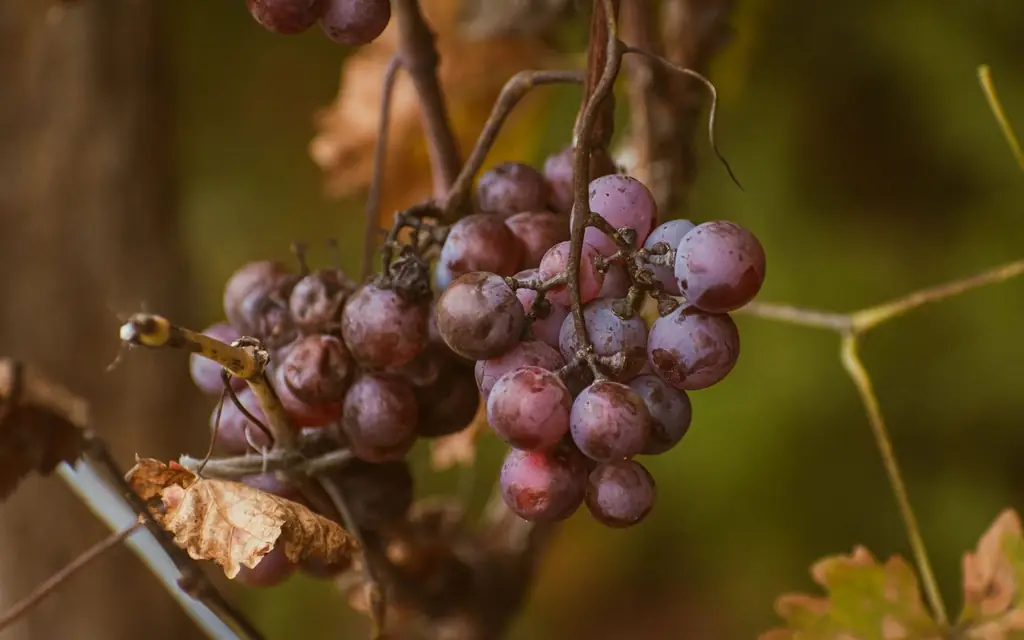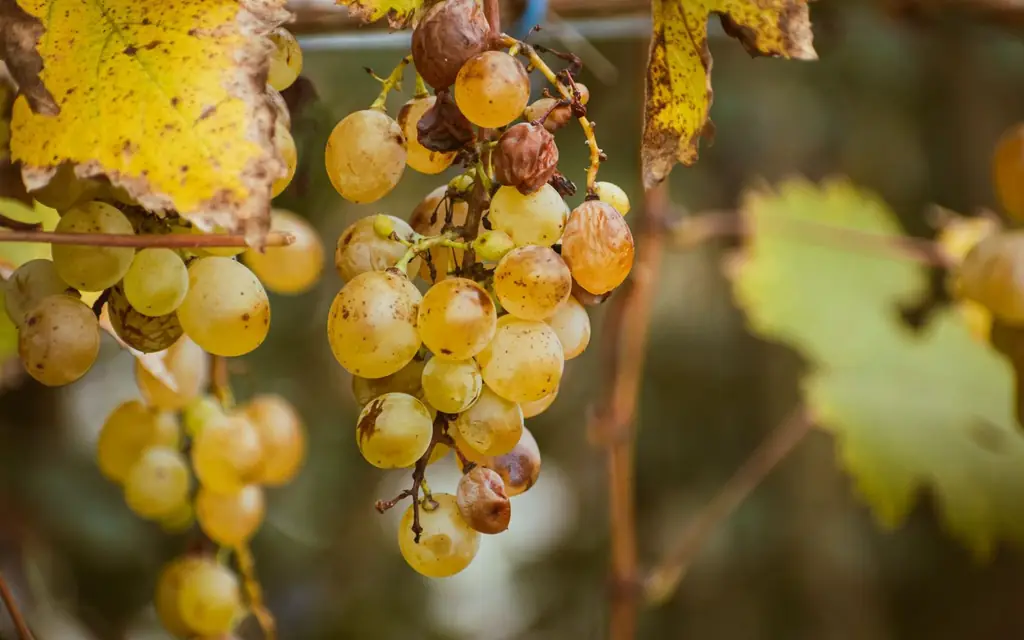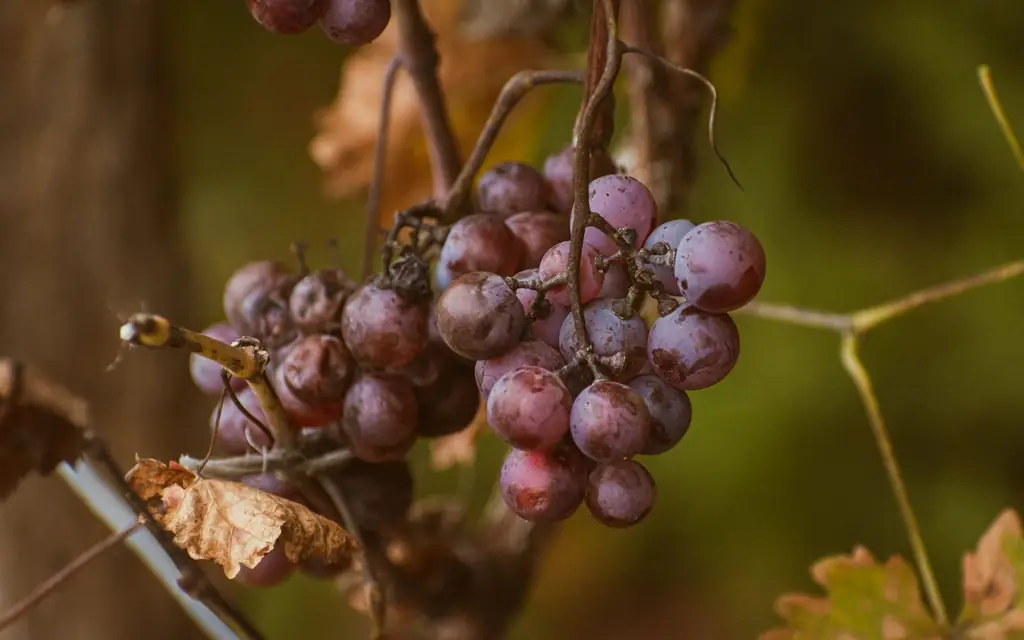

Most wine is picked in the warmth of autumn. Niagara icewine waits. The grapes hang on the vine until a winter night when the air drops to minus eight degrees Celsius or colder, and then pickers move through the rows by headlamp, because that is when the water inside each berry is frozen and only a few drops of concentrated, sugar-rich juice can be pressed out. The result is a golden, intensely sweet dessert wine that has become the best-known bottle in Niagara wine country. NiagaraFallsLimo.net drives guests to the tasting rooms year-round, including the coldest weekends when it is at its most atmospheric.
What is Niagara icewine, and how can you taste it without driving?
Niagara icewine is a VQA dessert wine made from grapes naturally frozen on the vine and picked at -8 °C or colder. Most icewine estates sit around Niagara-on-the-Lake, about 20–25 km (13–15 mi) and 25–35 minutes from Fallsview. NiagaraFallsLimo.net drives you between tastings on an hourly booking, with a fixed fare shown before you pay.
The rest of this page covers the rules behind the label, when to go, where to taste, how to serve and pack a bottle, and the practical side of a winter wine day.
The rules that make it Niagara icewine
Icewine in Ontario is tightly defined. VQA Ontario's category rules and the provincial regulation O. Reg. 406/00 set out the essentials:
- Natural freeze only. Grapes must freeze on the vine; freezing them in a machine (freeze concentration) is not allowed.
- Picked at -8 °C or below. If the air warms above that, Wine Country Ontario says a VQA-appointed agent stops the harvest.
- Pressed at once. The frozen grapes are pressed immediately, in a continuous process, in the viticultural area where they grew.
- Sugar thresholds. Juice must reach at least 32° Brix at each pressing and average at least 35°, and the finished wine keeps at least 100 g/L of residual sugar, all from the grapes themselves.
- Moderate alcohol. Between 7.0% and 14.9%.
- Approved grapes. Vinifera varieties or Vidal, which is the only hybrid allowed.
On the front label you will see the word Icewine, a vintage year and the appellation, because VQA requires all three. If a bottle elsewhere says "ice wine" without that framework, it is not the same thing.
Why there is so little of it
Wine Country Ontario estimates that one 375 mL bottle takes about 3.5 kg of Riesling or 3 kg of Vidal grapes. Add the risks of leaving fruit on the vine for months (birds, rot, a warm winter) and the night harvest itself, and you can see why icewine is sold in half bottles and poured in small measures. The same source suggests about 1.5 ounces (roughly 45 mL) per person.

Grapes and styles you will meet
Vidal gives honeyed, tropical icewines and is widely planted because it handles cold well. Riesling brings sharper acidity, so the sweetness feels brighter. Cabernet Franc makes red icewine, pale ruby with strawberry and rhubarb tones. Wine Country Ontario also lists Gewürztraminer, Merlot, Pinot Gris, Chardonnay, Muscat Ottonel and Gamay among the varieties used, and notes that sparkling icewine is a newer style. A good tasting compares at least two grapes side by side.
Where to taste Niagara icewine
Icewine is poured across the region, but the Niagara-on-the-Lake estates are the classic circuit because so many sit within a few kilometres of each other. A few anchor points for an icewine route:
- Inniskillin, 1499 Line 3 at the Niagara Parkway. It received Ontario's first post-Prohibition winery licence in 1975, later won the Grand Prix d'Honneur at VinExpo, and keeps a dedicated icewine range. Most icewine days start here.
- Reif Estate, a few minutes further along the Niagara Parkway.
- Peller Estates and Two Sisters on John Street East, close to Old Town.
- Trius, Jackson-Triggs and Pillitteri on Niagara Stone Road through Virgil.
Ask each tasting room what it is pouring that week, since icewine flights are often seasonal. Our full Niagara-on-the-Lake wineries guide maps every estate with addresses, and the Twenty Valley and Beamsville Bench guide covers the escarpment wineries further west.
Distances for an icewine day
| Leg | Distance | Typical drive |
|---|---|---|
| Fallsview hotels → Inniskillin | about 20 km (13 mi) | 25–30 min |
| Inniskillin → Old Town clock tower | about 6 km (4 mi) | 8–10 min |
| Inniskillin → Trius, Niagara Stone Rd | about 8 km (5 mi) | 10–15 min |
| Fallsview → Peller Estates | about 23 km (14 mi) | 25–35 min |
| Toronto Pearson (YYZ) → Old Town NOTL | about 120 km (75 mi) | 1 h 20 – 1 h 45 off-peak; longer in snow |
| Buffalo (BUF) → Inniskillin via the Lewiston-Queenston Bridge | about 50–55 km (31–34 mi) | about 50–60 min plus the crossing |
From the US side, the Lewiston-Queenston Bridge lands about 8.5 km from Inniskillin, so the first tasting can be minutes after the border. Every passenger needs their own valid documents, and we never predict crossing times.
When to go: the icewine calendar
Icewine is poured all year, so a July visit is perfectly valid. Winter adds the theatre.
- Harvest nights, usually in the depths of winter. Timing depends entirely on the weather, so the harvest cannot be booked like a tour.
- The Niagara Icewine Festival in January, run by the Niagara Grape & Wine Festival organisation, which bills it as "Canada's Coolest Festival". Its Icewine Village fills Queen Street in Niagara-on-the-Lake over two January weekends, with fire pits and ice carving. As of October 2026 the 2027 dates had not been published; the site simply says "see you in winter 2027".
- The Icewine Discovery Pass, a self-guided pass of wine and food pairings at wineries across Niagara during the winter season.
- Chocolate & Cheese, the February and March weekend program from Wineries of Niagara-on-the-Lake, which pairs naturally with sweet wines.
Our Niagara wine festivals guide has the full year, and the Niagara Falls in winter guide covers what else is open.
A winter wine day in practice
Snow changes the day, and this is where a chauffeur matters most.
- Queen Street on festival weekends is crowded with pedestrians and parking is scarce. We drop you by the clock tower and collect you at a time and corner you choose.
- Rural roads between the estates can be slick and drifted. The chauffeur knows which side roads are slow after a squall and builds in extra time.
- Dress warmly. Outdoor icewine events happen in the cold, and the vehicle is a warm place to wait between them.
- Combine with lights. The Winter Festival of Lights runs from 14 November 2026 to 10 January 2027 along the Niagara Parkway, Fallsview and Lundy's Lane. An icewine afternoon followed by an evening drive past the displays is a popular pairing for couples.
There is no drinking in our vehicles, icewine included. Niagara Region's vehicle-for-hire by-law prohibits drivers from permitting alcohol consumption in the vehicle, and the chauffeur never drinks. Tasting happens at the wineries.
Serving and pairing at home
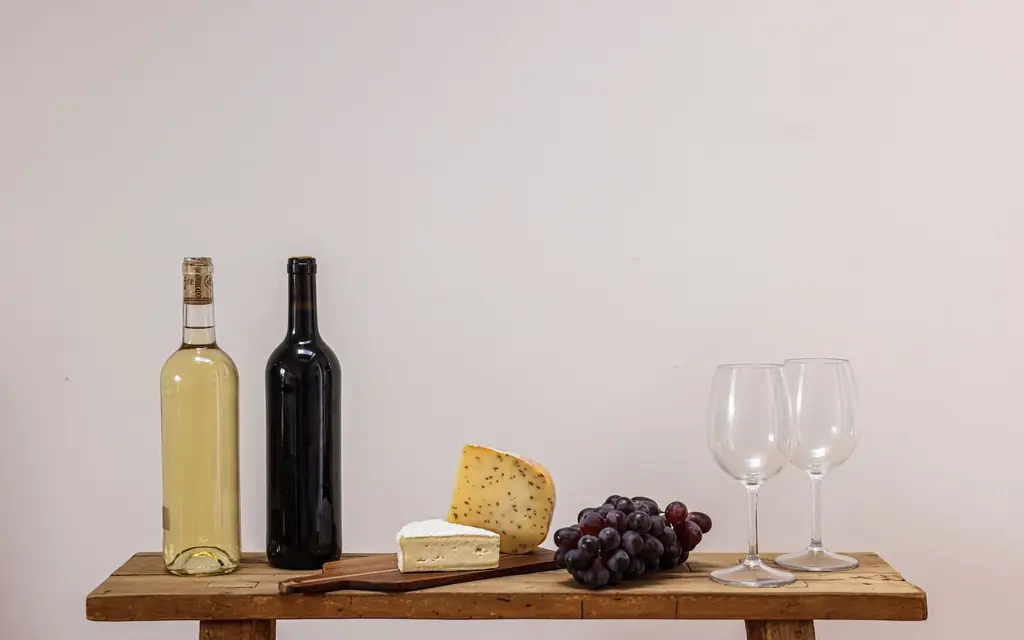
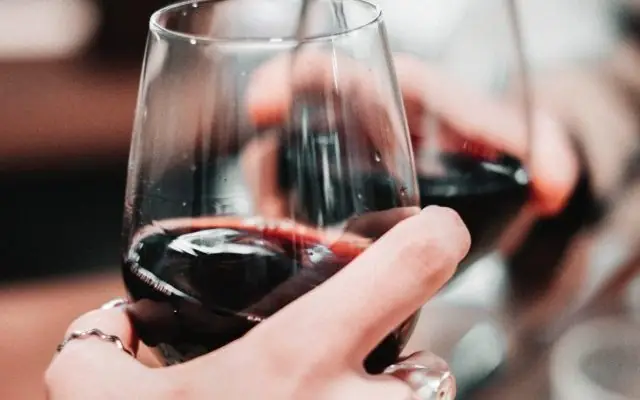
Wine Country Ontario's advice is simple. Chill the bottle for about 15 minutes in an ice bucket or two hours in the fridge, pour into an ordinary white-wine glass so the aroma has room, and keep an opened bottle sealed in the fridge, where it lasts several weeks. Pair it with something less sweet than the wine itself: fruit desserts, crème brûlée, blue cheese, foie gras or pâté, and even spicy dishes like a Thai curry. White chocolate goes with Vidal or Riesling icewine, dark chocolate with Cabernet Franc.
Taking icewine home across the border
Sealed bottles ride in the vehicle's trunk or cargo area. Two border points to know:
- Returning to the US: customs duty-free allowances for alcohol are small and age 21+ applies; declare every bottle.
- Returning to Canada after a US trip: CBSA personal exemptions depend on how long you were away; same-day shoppers get no exemption.
Read our duty-free and declarations guide before you buy a case. Icewine also makes a classic gift; our souvenirs and shopping guide has other ideas. If you want a sealed bottle waiting as a present, it can be added in the booker as a gift to take away, never to open on board.
Ways to get to an icewine tasting compared
| Mode | Door-to-door time | Cost note | Luggage / bottles | Best for |
|---|---|---|---|---|
| Rideshare app | Variable in winter; fewer cars on rural roads | Surge pricing on festival weekends | Car trunk | One estate and back |
| Local taxi | Book each leg ahead in winter | Metered | Car trunk | A single tasting |
| Shuttle or shared tour | Fixed route and times | Per-person ticket set by the operator | Limited | Solo visitors |
| Driving yourself | Direct, weather permitting | Fuel and parking | Full trunk | Only a non-tasting driver |
| Private chauffeur, NiagaraFallsLimo.net | Your schedule; the car waits warm | Fixed fare via booker | SUV room for cases | Couples, groups, festival weekends |
The honest verdict: in July, a taxi to Inniskillin and back is fine for two people. In January, with snow on the Parkway and Queen Street packed, a pre-booked car that waits for you is worth it, especially for groups, anyone arriving from Toronto Pearson, or a couple who would rather not stand on a cold corner waiting for an app. Our chauffeur vs taxi vs rideshare guide explains the trade-offs.
Who an icewine day suits
Individuals use it as a focused half-day, two or three estates with a short Old Town walk. Couples make it the romantic centrepiece of a winter break; it pairs well with a proposal or anniversary booking and our couples page has more ideas. Families with adult children enjoy the Icewine Village atmosphere, and boosters for younger travellers are a booker option. Groups take a Sprinter for festival weekends; see the Niagara wine tour limo service.
How to book this in 3 steps
- Where and when. Enter your hotel or airport, the date and time, and choose "By the hour" so the car stays with you all afternoon.
- Pick the vehicle. Each class displays its fixed fare; in winter, SUVs are the popular choice.
- Add details and pay. Passengers, bags, child seats and extras, then secure payment and an email confirmation. Tell us any tasting times and we plan the order.
The how to book a limo guide answers questions on changes and cancellations, and hourly chauffeur bookings explains the time-based mode.
Frequently asked questions
When is the Niagara Icewine Festival?
It is held in January, with the Icewine Village on Queen Street in Niagara-on-the-Lake over two January weekends. The organisers had not published the 2027 dates as of October 2026, so check niagarawinefestival.com before you book flights or hotels.
Can I watch the icewine harvest?
Rarely as a planned visit. The harvest happens at night once the air reaches -8 °C or colder, and the date depends on the weather, sometimes with little notice. Ask individual wineries if they offer anything during harvest; otherwise, the festival and winter tastings are the reliable way to experience the season.
Why is icewine sold in small bottles?
Because so little juice comes from frozen grapes. Wine Country Ontario says a 375 mL bottle needs about 3.5 kg of Riesling or 3 kg of Vidal, and a serving is only about 1.5 ounces. The half bottle suits a dessert wine that is sipped slowly.
Which grapes are used for Niagara icewine?
Mostly Vidal and Riesling. Cabernet Franc makes red icewine, and other varieties include Gewürztraminer, Merlot, Pinot Gris, Chardonnay, Muscat Ottonel and Gamay. Vidal is the only hybrid grape VQA allows for icewine.
Can we drink icewine in the limousine?
No. Niagara Region's vehicle-for-hire by-law forbids the driver from permitting alcohol consumption in the vehicle, and Ontario law has no limousine exception. Taste at the wineries; sealed bottles you buy travel safely in the trunk.
How long does an opened bottle of icewine last?
Wine Country Ontario says an opened bottle, resealed and refrigerated, keeps for several weeks. That makes a 375 mL bottle easy to enjoy over a few evenings.
How much does an icewine tour by chauffeur cost?
It depends on the vehicle, hours and pickup point. The booker shows the fixed all-in fare for your exact trip before you pay. Tasting fees and bottles are paid at the wineries.