
Flying privately changes where you clear private jet customs; it does not let you skip it. Canada and the United States both expect advance passenger data from the flight, an airport with border service, and the same passports, visas and declarations an airline passenger would need. NiagaraFallsLimo.net arranges charter flights as a booking agent with licensed operators, and the operator files the manifest and arranges clearance. Your part is giving us accurate details early and carrying the right documents. This guide covers both halves, plus pets, cash, firearms, cannabis and duty-free, with links to the official rules.
Rules change. Everything below was checked on official Canadian and US government pages in October 2026; check the linked pages again before you fly, and treat the operator's instructions for your specific flight as final.
What paperwork do you need to book a private jet charter?
To quote, NiagaraFallsLimo.net needs the route, dates, passenger count, bags and any pets. To book, the operator needs every passenger's full name exactly as on the passport, date of birth, gender, nationality, passport number, issuing country and expiry, plus a contact number. Cross-border flights also need US addresses for US arrivals.
To prepare a quote
- departure and arrival airports (or towns), dates, preferred times and flexibility
- number of adults, children and infants
- bags, plus oversized items such as golf bags, skis, strollers or instruments
- pets: species, size and whether they travel in a carrier
- special requests: catering, a stand-up cabin, a lavatory, Wi-Fi, accessibility needs
- ground transport needed at each end
To confirm the booking
- each passenger's full name exactly as printed on the passport, including middle names
- date of birth and gender
- nationality (citizenship) and country of residence
- passport number, issuing country and expiry date
- for US arrivals, the US address where each person will stay
- a mobile number for the lead passenger and an emergency contact
- for children travelling without both parents, the name of the accompanying adult
Send the details through the charter request process or as we direct in your quote; please do not post passport numbers in public channels. The details go to the operator for its manifest.
Why the operator needs your passport details in advance
Both countries screen passengers before a private aircraft lands. For private aircraft arriving in the United States, CBP's rule at 19 CFR 122.22 requires the pilot to transmit the notice of arrival and manifest no later than 60 minutes before departure from the foreign airport. The listed data include full name, date of birth, gender, citizenship, country of residence, travel document type, number, issuing country and expiry, and a US address for every traveller, crew included. Commercial charter operators file under their own reporting obligations, but they need the same information from you.
A wrong passport number or a missing middle name can delay departure while the manifest is corrected. Check your passport against the details you send us.
Entering Canada on a private or charter flight
Canada's border agency sets out its reporting rules for general aviation in CBSA memorandum D2-5-12, last updated June 25, 2025. Key points for passengers:
- Land at an airport of entry. General aviation aircraft must land at an approved airport of entry during CBSA's business hours.
- Private and corporate flights report by phone. The pilot calls CBSA's Telephone Reporting Centre at least two hours, and no more than 48 hours, before arrival, then calls again on landing for instructions.
- Commercial charter flights are different. The memo says commercial aircraft cannot use telephone reporting, so a charter operator arranges clearance through the airport's CBSA service as part of flight planning.
- Size limits apply. Telephone reporting covers private or corporate aircraft carrying 15 people or fewer including crew. Business aviation flights from the US with up to 39 people can arrive at eight airports: Vancouver, Calgary, Edmonton, Winnipeg, Toronto Pearson, Ottawa, Montréal-Trudeau and Halifax.
CANPASS for frequent private flyers
CBSA's CANPASS Private Aircraft and Corporate Aircraft programmes are for pre-approved, low-risk travellers arriving from the United States, with five-year membership. Private aircraft members can land at an airport of entry whenever it is open, regardless of CBSA office hours, or at CANPASS-only airports. Corporate aircraft members can land at any airport of entry and carry up to four non-members. CANPASS rules apply to private and corporate aircraft, so ask your flight department or operator whether they apply to your trip.
Clearing customs at Niagara District Airport
Niagara District Airport (YCM) in Niagara-on-the-Lake describes itself as a designated airport of entry, category AOE/15, which limits flights to 15 people including crew. Its pilot page lists customs seven days a week from 8 a.m. to midnight and asks pilots to call CBSA at least two hours before arrival. It is about 17 km from the Falls, which makes it the quickest arrival for small aircraft; see our Niagara District Airport transfers. Bigger aircraft and groups often clear at Toronto Pearson instead, about 122 km by road.
Entering the United States on a private or charter flight
CBP's general aviation processing page sets out what private flights must do. The operator or pilot handles each step:
- eAPIS manifest. Transmitted within CBP's timelines through the eAPIS system (for private aircraft, at least 60 minutes before departure).
- Landing rights. The pilot must get permission to land from the CBP port of arrival after sending a compliant manifest.
- Designated airports. Some flights must land at airports designated for CBP processing under 19 CFR 122.24(b), unless they hold an overflight exemption.
- User fee. Private aircraft pay through an annual CBP user fee decal.
- Advance notice. Certain flights arriving from areas south of the US must give advance notice of arrival.
Some FBOs add their own requirement. Atlantic Aviation at Teterboro says aircraft needing customs must secure a reservation number in advance, and Signature at Chicago Executive says international arrivals need a reservation with US Customs. Our FBO directory shows which terminals list on-site customs. After landing, passengers walk from the aircraft to the officers, present documents, and then meet the car. Buffalo Niagara is the closest US airport where an FBO lists on-site customs.
Ask about paperwork for your flight
Passports, visas, eTA and ESTA
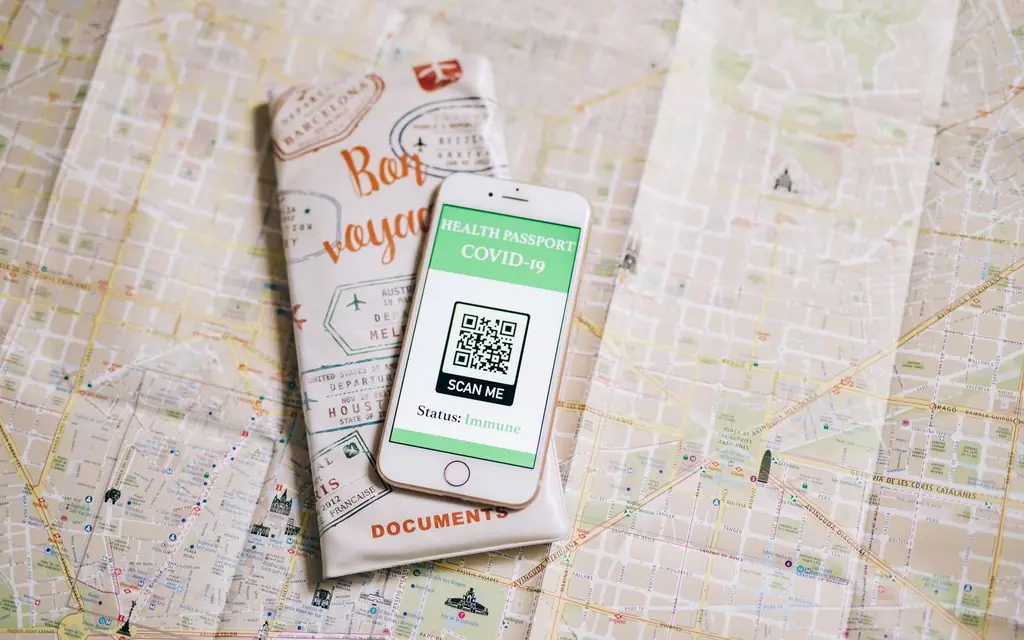
Carry a passport book for any flight. CBP's travel initiative page lists a passport or a trusted traveller card for US citizens entering by air and says children also need their own passport when travelling by air. A passport card or enhanced driver's licence is a land and sea document, so do not rely on it for a flight.
Flying into Canada: IRCC says citizens of eTA-required countries need an electronic travel authorization and a valid passport to board a flight to Canada. The eTA costs CA$7 as of 2026. US citizens are exempt, and US lawful permanent residents are exempt but must carry a passport and proof of US permanent residence. Visa-required nationals need a visitor visa. IRCC's page does not single out private flights, so we confirm with the operator for any passenger who needs an eTA or visa.
Flying into the US: Canadians generally visit without a visa. Visa Waiver Program travellers need an approved ESTA, and CBP requires carriers that transport them to be approved VWP signatory carriers; CBP lets Part 91, 121 and 135 operators apply for that status. We check the operator's signatory status before quoting a trip for a VWP passenger. Other nationals need a US visa.
Dual Canada–US citizens are required by US law to enter the United States on their US passport, according to Global Affairs Canada. More detail is on our pages for documents entering Canada, documents entering the USA and international visitors.
NEXUS and trusted traveller cards
A NEXUS card is an accepted document for US citizens and Canadians entering the US, but it does not replace the operator's manifest or the airport's customs process for a private flight. Where NEXUS matters most is the drive after you land: a car may use NEXUS lanes or the Whirlpool Rapids Bridge only if every person in the vehicle, including the chauffeur, is a member carrying a card. Our NEXUS and trusted traveller page explains the lanes, and our cross-border car service handles the bridges.
Children travelling without both parents
Global Affairs Canada recommends a signed consent letter for any child travelling outside Canada without one or both parents or legal guardians. It is not a legal requirement, but border officials or airline staff may ask for it, and without it they may ask more questions or contact the absent parent. The letter should be signed by each parent or decision-maker not travelling, a notary is strongly recommended as witness, and originals are preferred. Carry the child's passport and copies of any custody documents. Our crossing with children page has more, and families can add car seats in the booker.
Pets on private flights
The operator decides whether a pet may fly in the cabin. The border rules are separate and strict:
- Into the United States. For dogs that have been only in rabies-free or low-risk countries, which includes Canada, in the past six months, the CDC requires a receipt for a CDC Dog Import Form, a minimum age of six months at entry, a microchip readable by a universal scanner, and a healthy appearance on arrival. Dogs from high-risk countries face extra rules.
- Into Canada. The Canadian Food Inspection Agency says you need the right paperwork at the border or risk delays or refusal, and its online tool sorts dogs by age: under three months, three to eight months, and eight months or older. Older dogs generally need a valid rabies vaccination certificate. Use the CFIA tool for your animal before the flight.
Tell us about the pet at the quote stage, with its size and carrier, so we can check the aircraft and plan a car with room.
Cannabis, cash and firearms
Cannabis. Taking cannabis across the border in any form, including CBD oils, without a Health Canada permit is a serious criminal offence, CBSA says, whatever the amount and whether or not it is legal where you came from. CBP says marijuana remains illegal under US federal law, medical or recreational. Leave it behind; this applies to private aircraft exactly as it does to cars.
Currency. Canada requires a declaration of currency or monetary instruments worth CA$10,000 or more each time you cross, with no limit on the amount carried. The United States requires anyone bringing more than $10,000 in or out to report it to CBP on FinCEN Form 105.
Firearms. CBSA's firearms page says to declare all firearms to a border services officer on arrival, provide the required documents and answer truthfully; undeclared firearms may be seized and you may face charges. Visitors use a non-resident firearms declaration, and prohibited firearms cannot be imported. US import rules for non-residents are set by federal agencies and are strict. Raise any firearm with us before booking; the operator may decline to carry it.
Duty-free allowances
Returning to Canada: no personal exemption for same-day trips. After 24 hours away, goods up to CA$200 excluding alcohol and tobacco; after 48 hours, up to CA$800, which can include 1.5 L of wine, 1.14 L of spirits or 8.5 L of beer, and 200 cigarettes, within CBSA's limits. The alcohol age in Ontario is 19.
Returning to the United States: US residents away at least 48 hours get an $800 exemption every 31 days, which for travellers 21 or older may include one litre of alcohol, 200 cigarettes and 100 cigars. Under 48 hours, the exemption is $200. Our duty-free and declarations page has the full detail.
Onward trips to Mexico and the Caribbean
Many Niagara and Toronto charters continue south. Every country sets its own entry rules for passengers and aircraft, including passports valid for a minimum period, visas, arrival cards, pet permits and customs forms. Check the destination government's official site, and expect the operator to need extra lead time for foreign permits and handling. When you return, the US and Canadian rules above apply again.
Border processing compared: jet, airline and car
| Way to cross | Where you clear | Who sends passenger data | Documents | Best for |
|---|---|---|---|---|
| Private or charter flight | officers at or near the FBO, or a designated airport | the operator or pilot, before departure | passport book; eTA, ESTA or visa where required | small groups, tight schedules, airports close to the destination |
| Scheduled airline | airport customs hall or US preclearance in Canada | the airline | passport; eTA, ESTA or visa where required | solo travellers on major routes |
| Chauffeured car over a bridge | the inspection booth on the bridge | you, at the booth | passport, passport card, enhanced licence or NEXUS for Canadians and Americans | Toronto, Niagara and Buffalo trips |
For trips under about 400 km, such as Toronto to Buffalo or Niagara to Rochester, the car is usually simpler: one inspection booth and no manifest. Our guide to booking a limo covers it.
Checklists
When you request a quote
- passengers, ages and nationalities
- bags, pets and special items
- any passenger who needs a visa, eTA or ESTA
Once the quote is approved
- passport details for every passenger, checked against the passports
- consent letters for children travelling without both parents
- pet paperwork started early: microchip, vaccinations, CDC form or CFIA certificate
- no cannabis; firearms declared to the operator in advance
On the day
- passports in hand, not packed in the hold
- declarations ready: goods bought abroad, currency over the limits
- the lead passenger's phone switched on for the chauffeur
How to book a charter and its cars in 3 steps
- Request a quote with your route, dates and passenger list through our private jet charter page, and see the aircraft types if you are unsure what fits.
- Approve the operator's quote and send passport details for the manifest.
- Book the ground transport at both FBOs, with car seats and meet and greet as needed. Ground-only trips go through the booker with a fixed fare shown before you pay.
Frequently asked questions
Do I go through customs on a private jet?
Yes. Every passenger clears customs and immigration in the country where the flight lands, usually with officers at or beside the FBO. The operator sends the passenger manifest in advance and arranges clearance; you present your passport and declare goods, as on any international trip.
How far in advance does a private flight have to file eAPIS?
For private aircraft arriving in the United States, CBP's rule requires the manifest to be transmitted no later than 60 minutes before departure from the foreign airport. We ask for passport details well before that, so errors can be fixed without delaying the flight.
Can I clear Canadian customs at Niagara District Airport?
Yes, for small flights. The airport says it is a designated airport of entry (AOE/15) with CBSA customs seven days a week from 8 a.m. to midnight. The category limits a flight to 15 people including crew, and pilots must call CBSA at least two hours before arrival.
Do I need an eTA if I fly to Canada on a private jet?
IRCC says citizens of eTA-required countries need an eTA and a valid passport to board a flight to Canada, and its guidance does not exempt private flights. US citizens are exempt. We check each passenger's status with the operator before the flight.
Can I bring my dog from Canada to the US on a charter?
If the operator allows pets, the CDC requires dogs that have only been in low-risk countries such as Canada for the past six months to be at least six months old, microchipped, healthy, and covered by a CDC Dog Import Form receipt. Coming back, CFIA rules apply.
Does NiagaraFallsLimo.net handle customs for me?
We collect and pass your details to the licensed operator, which files the manifest and arranges clearance. We cannot clear customs for you or advise on whether a specific person is admissible. Each passenger is responsible for carrying valid documents and making truthful declarations.