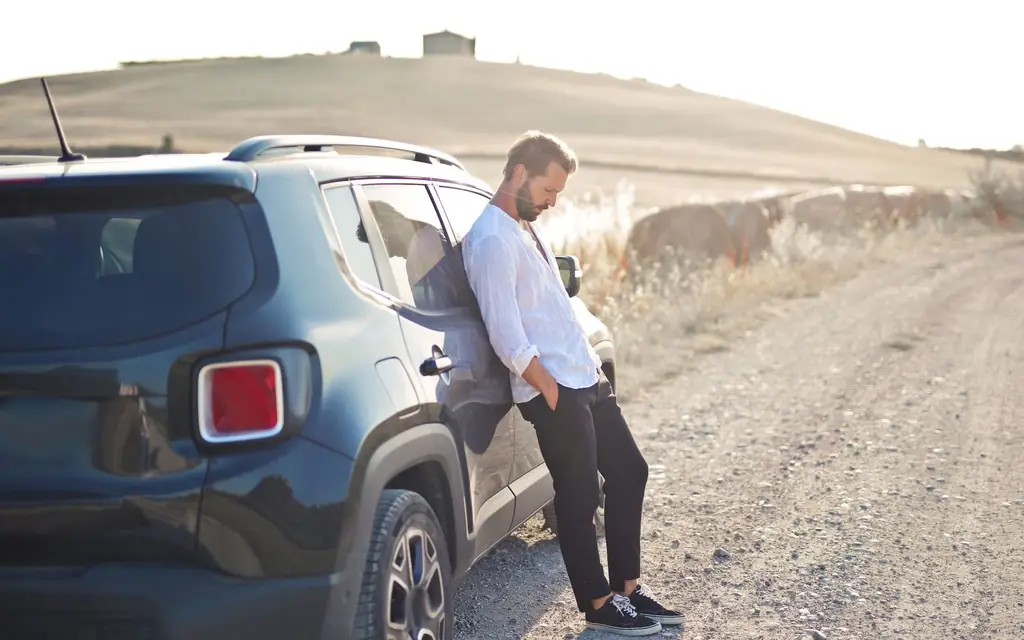


Four adults, two teenagers and the luggage for a week. That is the moment most families and small groups discover that a sedan is out and two taxis are a nuisance. Luxury SUV service in Niagara exists for exactly that load: one vehicle, one chauffeur, up to six passengers and up to six bags, with enough height and weight to feel planted on a wet Queen Elizabeth Way (the QEW, the main highway between Toronto and the Falls). NiagaraFallsLimo.net runs two SUV classes, and the difference between them is less about space than about the cabin you sit in.
When does a luxury SUV make sense in Niagara?
A luxury SUV makes sense in Niagara when you have four to six passengers, checked luggage or car seats. NiagaraFallsLimo.net runs Suburban, Yukon XL, Escalade and Navigator-class SUVs for trips such as Buffalo Niagara Airport to Fallsview, about 42 km (26 mi), roughly 45 minutes before the bridge. The booker shows the fixed fare first.
Put more simply, the SUV is the answer when the sedan's limits bite. A Standard Sedan seats three with two large bags; a Mercedes-class sedan seats two. The moment you have a fourth traveller, a stroller or a second big suitcase each, you are in SUV territory. At the other end, if you have seven or more people, the SUV has run out of seats and an Executive Sprinter is the next step.
Standard SUV or Executive Black SUV: what actually changes
Both classes carry the same numbers in our booker. Models are "or similar" and confirmed at booking.
| Class | Typical models | Passengers | Bags | Feels like |
|---|---|---|---|---|
| Standard SUV | Chevrolet Suburban, GMC Yukon XL | up to 6 | 6 | A big, practical family vehicle with three rows |
| Executive Black SUV | Cadillac Escalade, Lincoln Navigator | up to 6 | 6 | The same capacity with a more refined, quieter cabin |
If the trip is purely about getting six people and six cases from an airport to a hotel, the Standard SUV does it well. The Executive Black SUV is for the trips where the ride itself matters: a corporate team arriving for a board meeting, a wedding party on the day, a milestone birthday with parents in the second row. Both are long-wheelbase vehicles, which is where the luggage space behind the third row comes from.
One limit worth knowing: six bags means six suitcases of ordinary checked size. Golf bags, ski bags, a double stroller and a wheelchair all take more room than a case. If your load is unusual, say so in the booker notes; our guide to luggage limits by vehicle has worked examples for common airport loads.
Car seats, strollers and the third row
SUVs are the default family vehicle in our fleet for a reason. Child, toddler and booster seats are all options in the booker, and a three-row SUV gives room to fit them without squeezing adults.
Ontario's rules are set out on the province's child car seat page: rear-facing seats for babies up to 9 kg, forward-facing seats from 9 to 18 kg, and boosters for children under 8 who weigh 18 to 36 kg and are under 145 cm tall. The province also advises seating children under 13 in the back. In a six-seat SUV, that means a family of four with two young children uses the second row for car seats and still has the third row free for a grandparent or extra bags.
Two practical points from our desk. Tell the booker the age and approximate weight of each child, not just "two car seats", so the right seats are fitted before pickup. And remember that a fitted car seat occupies a passenger place, so six passengers including a baby in an infant seat is still six. More on the rules in our dedicated post on child seats in Niagara limos, and on our page for families visiting Niagara.
Winter on the QEW and the Niagara Parkway
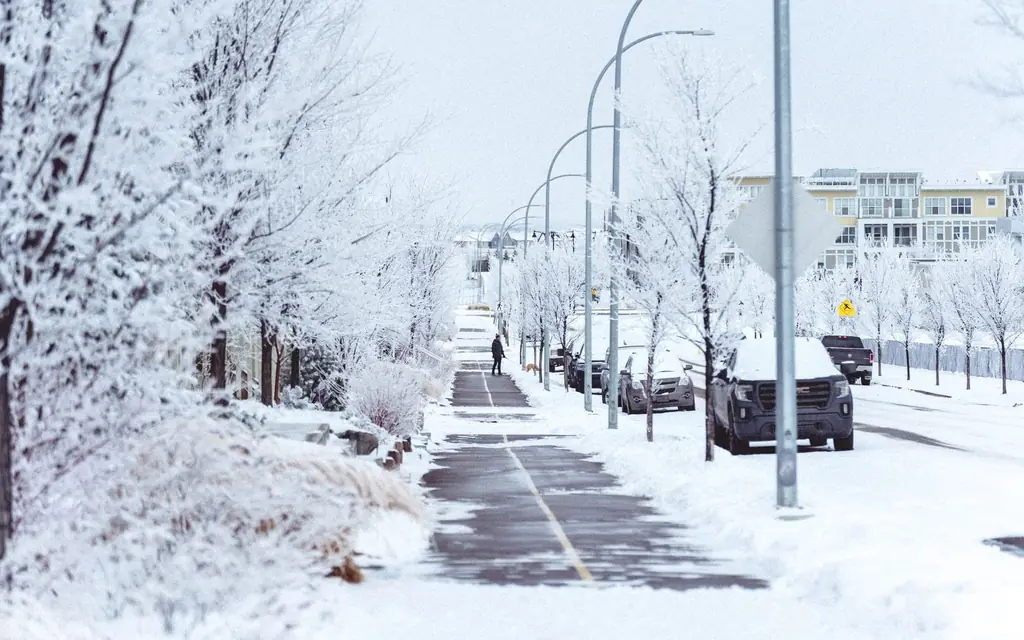
Niagara winters are milder than much of Canada, but the region sits between two Great Lakes and the QEW crosses open ground where snow squalls, freezing rain and black ice arrive quickly. A heavy, high SUV with three rows is a calm place to be on a dark January evening, and the extra ground clearance helps on unplowed hotel lots and winery lanes.
What matters more than the badge on the grille is how the vehicle is prepared and driven. Ontario's own winter driving guidance is blunt about it: winter tires shorten braking distances by as much as 25%, all-season tires can start to lose grip at 7 °C, and bridges and overpasses freeze before the rest of the road. The province also points drivers to Ontario 511 for road conditions and plow locations. Our chauffeurs plan winter trips around the forecast and those road reports, and on a bad day the honest advice is to leave earlier rather than to drive faster.
Two winter specifics for visitors. First, studded tires are not allowed in Southern Ontario unless you are visiting from out of province, so do not expect them here. Second, a winter flight into Pearson can slip by hours. Flight tracking moves your pickup to the actual landing time, which matters more in January than in July. Our page on visiting Niagara Falls in winter covers the rest, from the Winter Festival of Lights to which attractions stay open.
Taking the SUV across the border
SUVs make a lot of cross-border trips, mostly because of Buffalo Niagara International (BUF). It is about 42 km (26 mi) from the Fallsview hotels, usually 45 minutes to an hour of driving plus whatever the bridge queue holds on the day. Our Buffalo airport transfer page explains the pickup and which bridge we normally use.
Niagara Falls International (IAG), about 14 km (9 mi) from Fallsview, is the other US airport for Allegiant's Florida and Myrtle Beach flights. IAG's own ground transportation page warns that rideshare services may not cross the border, which is a real consideration for a family heading to the Canadian side.
At the bridge, every passenger must carry their own valid documents, children included. A chauffeured car may only use a NEXUS lane if every occupant, including the chauffeur, is a NEXUS member with their card, so plan on the general lanes with a full family. Travelling with children who are not yours, or with one parent? Read our page on crossing the border with children before you go. The cross-border car service page has the full picture of how we handle the crossing.
Routes where SUVs do most of their work
- Toronto Pearson (YYZ) to Niagara Falls: about 122 km (76 mi), usually 1 h 30 – 1 h 45 off-peak, 2 h or more on a summer Friday.
- Hamilton (YHM) to Niagara Falls: about 90 km (56 mi), usually 1 h 15 – 1 h 30.
- Fallsview to Great Wolf Lodge: about 5 km, under 10 minutes; families moving between a Fallsview hotel and the waterpark resort often book the SUV for this hop with luggage. See our Great Wolf Lodge transportation page.
- Fallsview to Niagara-on-the-Lake: about 23 km (15 mi), usually 25 – 35 minutes, for a wine-country day with six.
Chauffeur vs rideshare vs taxi for this trip
| Mode | Door-to-door time | Cost note | Luggage | Best for |
|---|---|---|---|---|
| Rideshare (XL class) | Wait for an XL car, then direct | Surge pricing at busy times | Varies by car; not guaranteed six cases | Short trips on one side of the border |
| Taxi | Rank or dispatch wait; two cabs for six people | Metered, per cab | 2 – 3 bags per cab | Short in-town hops |
| GO train or intercity bus | Train or coach, then a local transfer | Published fares | You carry everything | Adults travelling light |
| Driving a rental | Direct, plus parking and winter driving yourself | Rental, fuel, tolls, parking | Depends on rental | Travellers staying a week who want a car daily |
| Chauffeured luxury SUV | Waiting at arrival, door to door | Fixed fare via booker | Up to 6 bags | Families, small groups, winter trips, border crossings |
Verdict: for two adults with carry-on bags going from Clifton Hill to dinner, a taxi is fine. A family of four or five arriving at Pearson with checked bags and two car seats is a different trip: two taxis or an XL rideshare is a gamble on the car seat question and the luggage space, and the SUV is the reliable answer. The same logic applies to anyone crossing the border from BUF or IAG. We also break down the GO train versus a private car for a family of four, because for some families the train genuinely is the better choice.
Booking it with NiagaraFallsLimo.net in 3 steps
- Enter the trip. Airport, hotel, winery or any address for pickup and drop-off, the date and time, and your flight number for airport runs.
- Choose Standard SUV or Executive Black SUV. Both show their fixed fare. Compare them side by side before deciding.
- Add passengers, bags and child seats. Choose the right seat for each child, add meet and greet if you want a name board in arrivals, then pay. Your confirmation comes by email.
Who a luxury SUV suits
Families are the core: parents, two or three children, car seats and real luggage in one vehicle. Groups of five or six friends heading to wine country or a concert fit with room to spare. Couples rarely need an SUV unless they are carrying golf clubs, a lot of luggage or simply prefer the height. Individuals choose the Executive Black SUV for a quieter, roomier rear seat on business trips, or for winter peace of mind. Our fleet page shows every class, and our chauffeur vs taxi vs rideshare guide compares them for other trips.
Frequently asked questions
How many people fit in a luxury SUV in Niagara?
Up to six passengers in both the Standard SUV (Suburban or Yukon XL class) and the Executive Black SUV (Escalade or Navigator class), with up to six bags. A child in a car seat counts as one of the six. For seven or more, the Executive Sprinter seats up to 12.
Is an Escalade better than a Suburban for an airport run?
For capacity, no; both carry six people and six bags in our booker. The Escalade or Navigator class offers a more refined cabin, which suits corporate travel, weddings and special occasions. If the trip is simply getting a family and luggage to the hotel, the Standard SUV does the job well.
Can you fit car seats in an SUV limo?
Yes. Child, toddler and booster seats are options in the booker. Give each child's age and approximate weight so the correct seat is fitted before pickup. Ontario requires the right seat for a child's stage, and boosters are used until age 8, 36 kg or 145 cm.
Is an SUV safer in a Niagara winter?
A heavy, high vehicle with good ground clearance handles snowy lots and slush comfortably, but tires, preparation and driving to conditions matter more than vehicle type. Ontario says winter tires can shorten braking distances by up to 25%. On bad days, leaving earlier is the real safety margin.
How long does the SUV take from Buffalo airport to Niagara Falls, Canada?
The drive is about 42 km (26 mi), usually 45 minutes to an hour, plus the border crossing, which nobody can predict. Every passenger needs their own valid documents. Allow more time on holiday weekends, when border traffic is busiest.
Can the SUV take us on a wine tour?
Yes. Book "By the hour" for a multi-winery day, or a multi-stop trip for a fixed plan. The chauffeur never drinks and there is no drinking in the vehicle, which is exactly why groups book a driver for tastings. Bottles you buy travel sealed in the cargo area.